

Great photos grab attention, while genuine notes about personality help make a meaningful connection. This guide will show you how to take clear and adoption-ready images and short video clips at home. It will also provide tips on capturing the unique quirks that make a foster dog’s profile truly appealing.
The 5 Must-Have Shots
If you only take five, make them these. They cover what adopters want to see and what our team needs.
- Hero Portrait (eye-level, eyes sharp)
Kneel or sit so the camera is level with your dog’s eyes. Tap to focus on the eyes. - Full-Body Photo (standing or sit)
Simple background without clutter.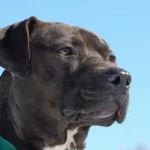
- Relaxed at Home
On a bed or mat near a window. Calm mouth, soft eyes. - Real-Life Moment
Sniffing on leash, lounging in the yard, chewing a toy. - With a Human (consent granted)
A side cuddle, hand on chest, or lap lean. Faces optional.
Set Up for Success in Two Minutes
-
Light: Choose open shade outside or a bright window inside. Avoid harsh midday sun and strong backlight.
-
Background: Tidy and simple. Move cords, laundry, and dishes out of frame.
-
Grooming: Quick eye/nose wipe, fast brush, straighten collar or harness. A plain bandana is great if your dog is comfortable.
-
Calm first: Short potty break and a handful of treats so your dog feels settled before the camera appears.
Tips for Taking Great Photos (No Fancy Gear Needed)
-
Clean the lens on your camera to ensure clear images.
-
Position the camera at eye level to avoid downward angles that can distort the dog’s appearance.
-
Tap the screen to focus on the dog’s eyes for a captivating shot.
-
Use burst mode or live photos to capture the best expressions.
-
Avoid zooming in; instead, step closer and crop the image later if needed.
-
Keep the colors true with only slight edits: crop, straighten, and brighten as necessary.
-
Let the dog take the lead during the shoot. Provide a comfy spot and a few treats to create a relaxed atmosphere.
-
Use soft sounds sparingly to catch the dog’s attention, then pause to let them settle.
-
Keep photo sessions short, lasting 30 to 60 seconds, and give breaks in between.
Tricky Coats Made Easy
Black Dogs: Capture photos in open shade or near a bright window, ensuring the light source is behind you. Choose a contrasting background.
White Dogs: Avoid direct sunlight to prevent loss of detail. If the fur appears excessively bright, lower the exposure slightly. Opt for a mid-tone background to enhance the image.
Capture Short Video Clips (5–10 seconds)
Here are some ideas:
-
Calm greeting with a person
-
A few steps of leash walking, then a sit
-
Settling on a mat or bed
-
Snuffle-mat sniffing or lick-mat focus
-
A simple “trade” of toy for treat
Accessibility and Privacy
-
Keep house numbers, plates, and school logos out of frame.
-
Obtain consent from all individuals in the photos. When working with kids, use hands-only or back-of-head angles. Never force interactions or photos with children.
-
If you post on social yourself, avoid geotagging your home.
Quirks & Habits: The Bio Gold
Send notes along with your images! Here are some ideas…
-
Morning vibe:
-
Walk style and check-ins:
-
Home alone plan (crate, gated room, settles with chew):
-
Play preferences (fetch, tug, puzzles, squeakers):
-
Training wins (name response, sit, “find it,” mat work):
-
People style (leans in, slow greeter, lap nester):
-
Dog style (parallel walks, polite sniff, best with calm friends):
-
Comfort items (blanket burrower, sun-patch napper):
-
Funny/cute (tippy-taps, sploots, toy collector, snores):
-
Car rider (crated, seatbelt harness, naps immediately):
-
Noise notes (fine with vacuum, needs distance from trucks):
Quick Do’s and Don’ts for Pet Photography
Do:
-
Shoot in soft light, such as near a window or in open shade.
-
Focus on the dog’s eyes and capture images at eye level.
-
Keep backgrounds simple and tidy to avoid distractions.
-
Capture calm, everyday moments that reflect the dog’s personality.
Don’t:
-
Force interactions or use costumes that may make the dog uncomfortable.
-
Apply heavy filters or use cluttered backdrops that detract from the subject.
-
Overwhelm shy dogs with long photography sessions.
Discover more from Beezys Rescue
Subscribe to get the latest posts sent to your email.